

How to Know If You Are Stressed: Signs You Shouldn't Ignore
Disclaimer & Precautionary Notice: The content of this article is intended for general informational and educational purposes only. It does not constitute medical or psychological advice, diagnosis, or treatment. If you are experiencing severe distress, mental health symptoms, or a crisis, please seek immediate help from a qualified healthcare professional or contact a crisis helpline. In Singapore, you may reach the Samaritans of Singapore (SOS) at 1-767 (24 hours) or the IMH Mental Health Helpline at 6389 2222 . Always consult a licensed mental health professional before making any decisions about your wellbeing.
We all have those days when everything feels a little harder than it should. Your shoulders are tense, your mind won't stop racing, and even small decisions feel exhausting. But is it just a bad day — or could you be dealing with stress that has quietly built up over time? Recognising stress early is one of the most important things you can do for your long-term wellbeing. In this guide, we'll walk you through the most common physical, emotional, cognitive, and behavioural signs of stress, so you can tune into what your body and mind are telling you.
1. Physical Signs of Stress
Stress doesn't just live in your head; it shows up very tangibly in your body. One of the earliest and most universal physical signals is muscle tension, particularly around the neck, shoulders, and jaw. Many people unconsciously clench their teeth or tighten their shoulders during stressful periods without even noticing until the ache sets in at the end of the day. If you've been waking up with headaches or a sore jaw, stress may be playing a role.
Digestive disturbances are another common physical manifestation. The gut and brain are deeply connected through what scientists call the gut-brain axis, which means that when your stress levels spike, your stomach often responds — whether through nausea, bloating, diarrhoea, or a general feeling of unease. Some people find they lose their appetite entirely, while others turn to food for comfort, noticing they're eating far more than usual.
Sleep disruptions are also a major tell. Stress activates the body's "fight or flight" response, flooding the system with cortisol and adrenaline — hormones that are useful in genuine emergencies but deeply unhelpful at 2 am when you're trying to wind down. If you find yourself lying awake, waking frequently in the night, or feeling unrested despite a full night in bed, these could be stress-related sleep patterns worth paying attention to.

Other physical signs include frequent headaches, skin breakouts, hair loss, lowered immunity (getting sick more often than usual), and even heart palpitations. If you're experiencing several of these simultaneously, it's worth pausing to ask: what has my stress load looked like recently?
2. Emotional Signs of Stress
Beyond the body, stress takes a significant toll on emotional regulation. One of the most commonly reported emotional experiences is a pervasive sense of overwhelm, the feeling that there is too much on your plate and not enough of you to handle it all. This can lead to a kind of paralysis where even manageable tasks feel enormous, and the motivation to start anything evaporates.
Irritability and short-temperedness are classic emotional stress indicators. You may find yourself snapping at people you care about over minor things, feeling disproportionately frustrated by everyday inconveniences, or struggling to control emotional reactions that would usually be well within your range. In Singapore's high-performance culture, many people push through without acknowledging this irritability, attributing it to tiredness rather than stress.
Anxiety and worry are also hallmarks of a stressed emotional state. This might show up as a persistent low-level nervousness, a sense of dread about the future, or a tendency to catastrophise. For example, by imagining worst-case scenarios for situations that are objectively manageable. Over time, unmanaged stress can escalate into anxiety disorders, which is why recognising the early signs is so valuable.
Some people experience emotional numbness or detachment as a coping mechanism — withdrawing from relationships, losing interest in hobbies they normally enjoy, or feeling a general flatness and lack of motivation. Does any of this resonate with how you've been feeling lately?
3. Cognitive Signs of Stress
Stress has a profound effect on how we think. One of the most disruptive cognitive impacts is difficulty concentrating. When the brain is in a state of chronic stress, the prefrontal cortex — responsible for rational thinking, decision-making, and focus — becomes less effective, while the amygdala (your brain's alarm system) becomes hyperactive. The result is a mind that feels scattered, reactive, and unable to settle on any one thing for long.
Memory lapses become more frequent under stress. Forgetting where you put your keys, losing track of what someone just said to you, or missing deadlines you'd usually be on top of can all be signs that your cognitive bandwidth is being overwhelmed. This is particularly relevant in professional and academic settings where performance demands are high.
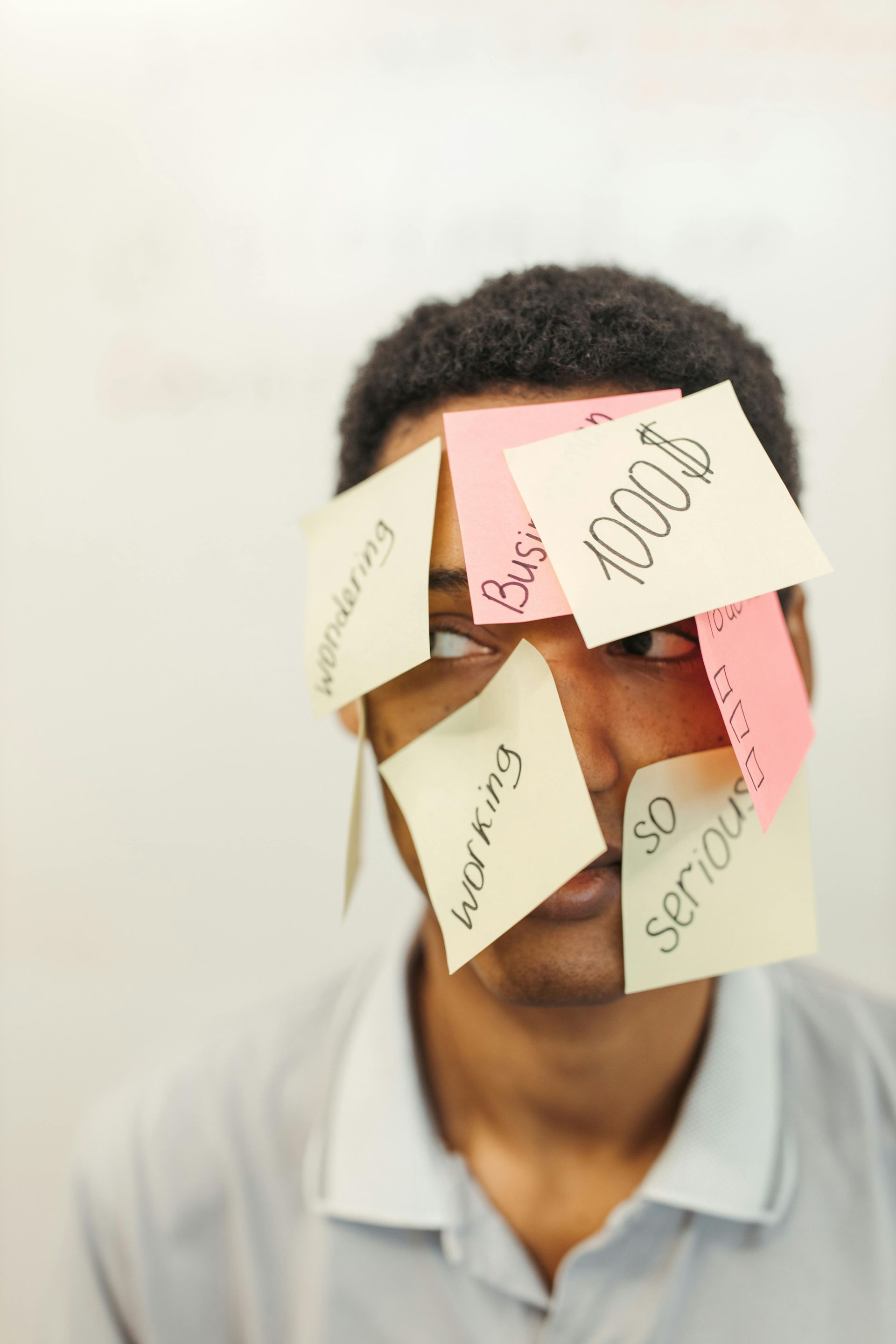
Negative thinking patterns such as pessimism, self-criticism, and a constant inner dialogue focused on what might go wrong tend to intensify under stress. If you notice that your internal narrative has become particularly harsh or that you're struggling to see solutions where you once saw possibilities, this cognitive shift is worth noting. Racing thoughts at night, inability to "switch off" from work concerns, and an overactive inner critic are all common cognitive stress responses.
4. Behavioural Signs of Stress
Sometimes the clearest signs of stress are visible in our behaviour rather than our internal experience. Withdrawing from social connections is a very common behavioural response — cancelling plans, avoiding gatherings, and preferring isolation over company. While alone time can be restorative, prolonged withdrawal often makes stress worse by cutting off the social support that buffers us from adversity.
Changes in habits around food, alcohol, exercise, or screen time are also significant. Some people under stress increase their alcohol intake, rely more heavily on caffeine, or find themselves scrolling through social media for hours as a way to zone out. Others may neglect exercise they once found enjoyable, or conversely, over-exercise as a way to exert control or manage tension. Neither extreme is a sustainable long-term coping strategy.
Procrastination tends to worsen under stress, creating a frustrating cycle: the more stressed you are, the harder it is to start tasks, which leads to more backlog, which leads to more stress. If you've noticed yourself putting off things that need to get done and then feeling worse about it, this cycle may be at play. Increased conflicts in relationships, at home or work, are also common behavioural indicators that stress levels have climbed too high.
5. When to Seek Professional Help
Recognising the signs of stress is an empowering first step, but it's equally important to know when those signs signal that professional support is needed. If your stress symptoms have persisted for more than two to four weeks, are significantly interfering with your work, relationships, or daily functioning, or are accompanied by feelings of hopelessness, persistent sadness, or thoughts of self-harm, please reach out to a qualified mental health professional without delay.
There is no threshold of distress you need to meet before seeking help. You do not need to be in crisis to benefit from coaching, counselling, or therapy. Working with a professional certified mind coach can help you understand your stress patterns, develop sustainable coping strategies, and build greater resilience for the road ahead.

In Singapore, resources are available and more accessible than many people realise. Whether you prefer in-person sessions, online coaching, or simply want to explore self-help tools, taking that first step is always worth it.
Stress is a universal human experience, but it doesn't have to run your life unchecked. By tuning into the physical, emotional, cognitive, and behavioural cues your body and mind send you, you gain the awareness needed to respond rather than react. Early recognition is early intervention, and that can make all the difference.
If any of the signs described in this article resonated with you, consider reaching out to MindCoach.sg for a confidential conversation. Our certified mind coaches are here to help you navigate stress with clarity, compassion, and practical tools tailored to your life. You deserve to feel well, and support is closer than you think.
⚠️ Important Disclaimer: This article is for general informational purposes only and does not replace professional medical or psychological advice. The information provided is not intended to diagnose any condition or substitute for consultation with a qualified healthcare provider. If you or someone you know is experiencing a mental health crisis, please contact emergency services or a crisis helpline immediately. In Singapore: Samaritans of Singapore (SOS) — 1-767 (24 hrs) | IMH Mental Health Helpline — 6389 2222 | Emergency — 995 . Results and experiences with stress management vary from person to person. MindCoach.sg's services complement, but do not replace, medical treatment.